In Re Estate of Acciavatti
Arizona Court of Appeals
July 15, 2026
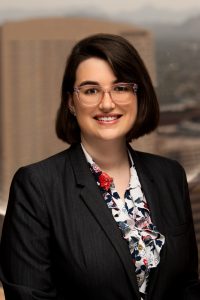
JSH Attorney: Ashley Caballero-Daltrey
In a recent case, the Arizona Court of Appeals sanctioned a litigant for failing to ensure that his case citations were proper after using generative artificial intelligence (“Gen-AI”) to draft his opening brief. The Court relied on Arizona Rule of Civil Appellate Procedure 25 and A.R.S. § 12-349, in addition to its own inherent powers to manage its affairs.
In Re Estate of Acciavatti arises from a contested will. The Decedent’s daughter Kim Dineen applied to be the Special Administrator of the Estate, but the Estate’s assets were all titled in the name of Jeffrey Kotchka, another one of the Decedent’s children. Dineen filed a petition to determine the status of the Estate and to be appointed as the Personal Representative of the Estate. The probate court appointed Dineen as the Personal Representative and Kotchka, proceeding without an attorney, appealed that decision.
Kotchka’s opening brief contained citations that were “inaccurate and false.” The court ordered Kotchka to attend a hearing and testify under oath regarding the citations, as well as requiring him to submit an explanation regarding the citations in his brief. His explanation stated that he used Gen-AI and “independent internet research,” but he also admitted he did not do anything to verify the citations independently.
The court began by striking the citations in the brief under Arizona Rule of Civil Appellate Procedure 13 as Kotchka failed to properly support his arguments with valid legal citations and citations to the record. The court explained that the brief was devoid of legal citations after the false citations were stricken.
The court went on to explain that it was publishing its opinion to provide guidance on the use of Gen-AI and “hallucinated authorities” in briefs, regardless of whether they were written by self-represented litigants or attorneys. It emphasized that the use of Gen-AI in and of itself is not objectionable, but that filings must still comply with court rules. It warned litigants regarding legal research, “hallucinated” and fabricated citations, and reiterated that litigants “who file documents with the courts remain directly and personally responsible for the content, accuracy, and quality of legal filings submitted to all courts.”
The court concluded that citing nonexistent authorities is sanctionable conduct and it awarded costs and fees to Dineen under § 12-349 because the opening brief was not supported by any legal authority and Kotchka did not use good faith in submitting the brief because he did not verify any of its citations. The court rejected Kotchka’s arguments that he should not be sanctioned because he did not have a lawyer. It explained that Dineen had to spend time and resources to identify the fabricated citations, respond to the brief, and attend the hearing. In coming to this conclusion, the court collected numerous cases where other courts had sanctioned litigants for similar behavior.
Ashley Caballero-Daltrey is part of the firm’s appellate team where she represents clients in federal and state appellate matters and dispositive motions. Before joining JSH, Ashley worked as a law clerk for Vice Chief Justice Ann Scott Timmer of the Arizona Supreme Court. She focuses her practice on municipal law, personal injury, bad faith, and premises liability. Ashley has published articles and spoken on appellate issues including appeals for grazing permits on public lands, unique citation issues, and special action procedures.
adaltrey@jshfirm.com | 602.263.4489 | jshfirm.com/adaltrey